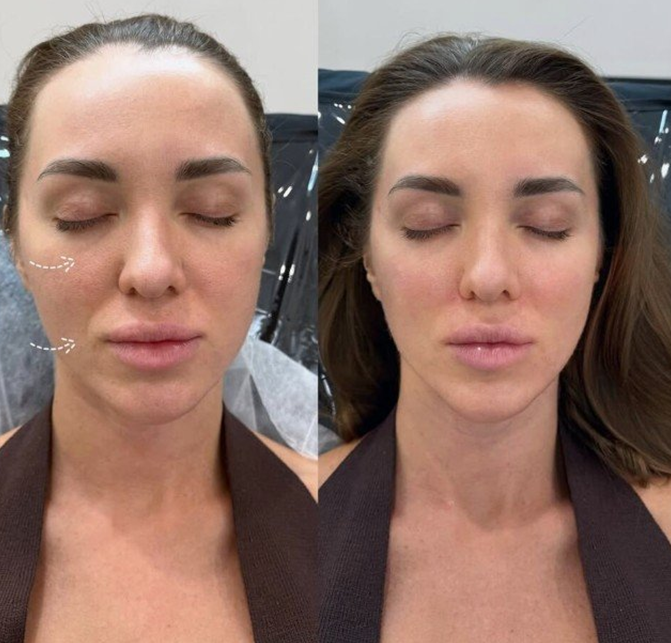
Addressing under-eye shadows and tear trough hollows
Persistent shadows beneath the eyes frequently create a weary, prematurely aged facial appearance that remains entirely unresponsive to adequate sleep or topical cosmetic serums. This aesthetic concern originates primarily from the structural anatomy of the infraorbital region, where a natural depression known as the tear trough runs from the inner corner of the eye down toward the upper cheek. As chronological aging progresses, the localized loss of subcutaneous fat combined with the natural thinning of the overlying skin deepens this groove, creating a physical valley that casts a dark shadow. Non-surgical intervention using highly specialized, low-viscosity dermal fillers provide an exceptionally effective alternative to surgical blepharoplasty by meticulously restoring volume to this delicate transition zone. Evaluating a professional eye bag injections cost allows patients to understand the value of advanced medical protocols designed to lift these hollows and eliminate the appearance of chronic exhaustion safely.
The anatomical precision of under-eye filler placement
Achieving a seamless, natural-looking correction within the infraorbital zone demands a deep understanding of facial anatomy and specialized injection methodologies. Rather than placing product superficially within the delicate skin layers, advanced practitioners deposit micro-droplets of hyaluronic acid filler deeply against the orbital bone, beneath the orbicularis oculi muscle. This deep placement ensures the filler acts as a supportive structural cushion, lifting the valley so that it sits completely flush with the surrounding cheek tissue. To maximize patient safety and protect the complex network of blood vessels surrounding the eyes, specialists almost exclusively perform the procedure using a blunt-tip micro-cannula rather than a traditional sharp needle. This flexible device glides smoothly through the tissues without cutting arteries or veins, significantly minimizing tissue trauma, bruising, and the risk of vascular complications.
Specialized product selection for the infraorbital region
The structural characteristics of the chosen dermal filler play a vital role in preventing post-treatment complications such as chronic morning puffiness or an unnatural bluish hue known as the Tyndall effect. Standard fillers designed for lip volumisation or jawline sculpting are completely unsuited for the eye area because their high water-binding capacity can lead to lymphatic stagnation.
- Practitioners utilize lightweight, resilient hyaluronic acid formulas engineered specifically for thin dermal structures.
- The preferred compounds feature low hydrophilic properties, meaning they do not attract excessive water after placement.
- Advanced formulations often incorporate essential amino acids, vitamins, and antioxidants to simultaneously improve skin quality from within.
- The product must demonstrate high tissue integration, allowing it to blend smoothly with natural movements without creating visible lumps.
Selecting these premium, medically certified materials guarantees that the under-eye area remains smooth, structured, and entirely free from artificial swelling over time.
Market overview and variables affecting treatment pricing
When analyzing the financial investment required for non-surgical eye rejuvenation, patients will encounter a defined range of pricing across reputable clinical facilities. In professional medical environments across London, a standard treatment session utilizing a specialized one-milliliter syringe typically ranges between three hundred and fifty and six hundred pounds. This baseline figure reflects the medical purity of the compound, the pristine clinical environment, and the rigorous safety standards maintained by the facility. A suspiciously low price point should always serve as a major warning sign, as it usually indicates the use of uncertified products or an injector lacking the mandatory anatomical training. Investing in a highly experienced medical professional ensures that you are paying for the technical skill required to navigate a high-risk zone safely, which ultimately prevents the need for costly correction or dissolution procedures.
Clinical contraindications and alternative therapeutic paths
While dermal fillers deliver remarkable results for structural hollowing, a thorough pre-treatment consultation is essential to confirm that the patient is a suitable candidate for the procedure. Individuals who present with true fluid-filled eye bags or severe lymphatic stagnation are generally poor candidates for hyaluronic acid, as the gel can exacerbate underlying drainage issues. For these specific anatomical presentations, practitioners recommend alternative modalities such as collagen-stimulating treatments, polynucleotide therapy, or laser skin resurfacing to tighten the tissue without adding physical volume. For the right candidate with true structural volume loss, the aesthetic improvements manifest immediately, with the final results stabilizing within two weeks as the product fully integrates. The rejuvenated outcome remains stable for nine to eighteen months, providing a long-lasting, beautifully refreshed appearance that completely restores vitality to the gaze.