A healthy smile is rarely the result of luck. It is usually built through consistent care, informed decisions, and regular professional support. While brushing and flossing remain essential, the guidance of an experienced dental professional helps identify issues before they become more complex, saving both time and unnecessary discomfort in the future.
Modern dentistry has become increasingly patient-focused, offering greater comfort, more accurate diagnosis, and a wider range of treatment options than ever before. Understanding what to look for in a practice allows patients to make confident choices that benefit their oral health for years to come.
Looking Beyond Convenience When Choosing a Practice
Location and appointment availability are important considerations, but they should not be the only factors influencing your decision.
When selecting a dentist in Earlsfield, it is worth considering the overall quality of care. A welcoming environment, clear communication, modern equipment, and a commitment to preventive dentistry often indicate a practice that places patient wellbeing at the centre of its services.
Experienced clinicians take time to explain findings, answer questions, and discuss treatment options without unnecessary pressure. This collaborative approach helps patients understand not only what treatment is recommended but also why it may be beneficial.
Practices that encourage regular reviews rather than simply treating emergencies often contribute to better long-term outcomes.
Prevention Is Always the Best Strategy
Many dental conditions develop gradually without causing immediate discomfort. Tooth decay, gum disease, enamel erosion, and small fractures may remain unnoticed until they require more extensive treatment.
Routine appointments commonly include:
- Clinical examinations
- Professional cleaning where appropriate
- Gum health assessments
- Oral cancer screening
- Digital imaging when clinically indicated
These preventive measures allow problems to be identified at an early stage, often making treatment simpler, less invasive, and more cost-effective.
Patients who maintain regular appointments are generally better positioned to preserve their natural teeth throughout life.
Straightening Teeth Has Become More Discreet
Many adults hesitate to improve the alignment of their teeth because they associate orthodontic treatment with highly visible metal braces.
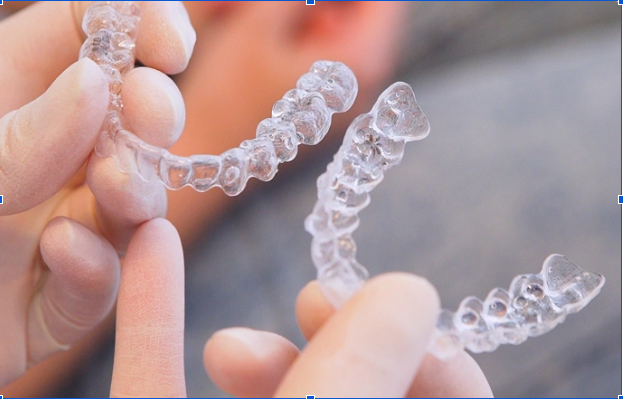
Fortunately, advances in orthodontics have introduced invisible dental braces, providing a more discreet option for suitable patients. These systems are designed to gradually move teeth while minimising their appearance during everyday activities.
The popularity of invisible dental braces continues to grow because they often fit comfortably into professional and social lifestyles. However, successful treatment depends on careful assessment, realistic expectations, and consistent patient commitment throughout the process.
Not every orthodontic case requires the same approach, so a detailed consultation remains essential before deciding which treatment is most appropriate.
Technology Is Enhancing Everyday Dentistry
The dental experience has changed considerably over recent years thanks to advances in digital technology.
Many practices now use digital scanners instead of traditional impressions for selected procedures, improving patient comfort while increasing precision. High-resolution imaging enables dentists to detect problems earlier, while digital treatment planning supports predictable restorative and orthodontic outcomes.
Patients also benefit from improved communication, as visual images make it easier to understand diagnoses and proposed treatment plans.
Technology does not replace clinical judgement, but it provides valuable tools that support more accurate and efficient care.
Why Communication Matters as Much as Clinical Skill
Excellent dentistry relies on trust as well as technical expertise.
Patients should feel comfortable discussing concerns, asking questions, and understanding each stage of their treatment. A dentist who communicates clearly helps reduce uncertainty and allows individuals to make informed decisions about their oral health.
This is particularly important for patients considering more complex procedures or those returning after a long period without dental care. Compassionate communication can significantly reduce anxiety and improve the overall patient experience.
A supportive approach often encourages people to attend appointments consistently rather than only seeking treatment when problems become painful.

The Link Between Oral Health and Overall Wellbeing
The mouth is closely connected to general health, making oral hygiene an important part of overall wellbeing.
Healthy gums support stable teeth and may contribute positively to wider health outcomes. Although research continues to explore these relationships, maintaining good oral hygiene remains a sensible preventive measure.
Daily habits that support oral health include brushing twice a day with fluoride toothpaste, cleaning between teeth, eating a balanced diet, and limiting sugary snacks and acidic drinks.
Small improvements maintained consistently often have a greater long-term impact than occasional intensive efforts.
Cosmetic Improvements Should Support Function
Many patients wish to improve the appearance of their smile, whether by addressing discolouration, uneven edges, or minor imperfections.
Responsible cosmetic dentistry always begins with a healthy foundation. Before recommending aesthetic treatment, clinicians assess gum health, tooth structure, bite function, and existing restorations.
A natural-looking smile is usually achieved by preserving healthy tooth tissue wherever possible rather than pursuing unnecessary intervention.
Patients who understand both the benefits and limitations of cosmetic procedures tend to be more satisfied with their long-term results.
Reducing the Risk of Future Dental Problems
Good oral health is built through consistency rather than perfection.
Simple steps that make a meaningful difference include attending routine examinations, replacing worn toothbrushes regularly, wearing protective mouthguards during contact sports, and avoiding tobacco products.
When problems are identified early, treatment is often simpler, quicker, and less expensive than waiting until symptoms become severe.
Choosing a dentist in Earlsfield who encourages preventive care rather than reactive treatment can help patients maintain healthier teeth and gums throughout every stage of life.
Building Confidence Through Long-Term Care
Confidence in your smile develops gradually through ongoing care rather than one-off treatments.
A trusted dental professional becomes familiar with your oral health history, identifies changes over time, and recommends appropriate care based on your individual circumstances. This continuity allows for more personalised advice and supports better decision-making whenever treatment becomes necessary.
Regular appointments also provide opportunities to reinforce healthy habits, answer new questions, and ensure that small concerns do not develop into larger problems.
Conclusion
Looking after your teeth is an investment that pays lifelong dividends through improved comfort, confidence, and overall wellbeing. Choosing a practice that values prevention, clear communication, and patient-centred care creates the best foundation for maintaining a healthy smile well into the future. Perfect Smile remains committed to supporting patients with professional guidance and high-quality dental care at every stage of their oral health journey.