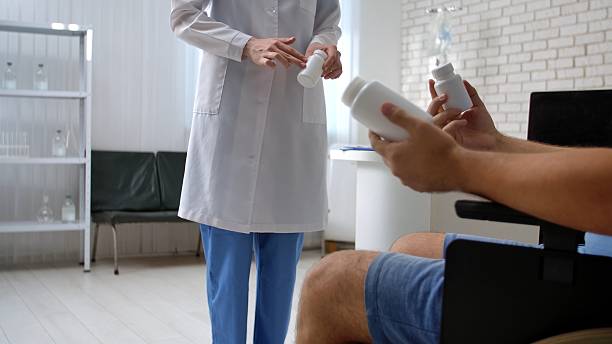
Some people pop one pill and feel better in two days. Others do everything right and still sit there thinking, why is this taking forever? I’ve seen this up close, not as a doctor obviously, but as someone who’s watched family members, friends, and even myself go through treatments that dragged on way longer than expected. And honestly, it’s rarely just “the medicine didn’t work.” It’s usually a mix of messy, human reasons.
Same Illness, Very Different Bodies
This part sounds obvious but we forget it all the time. Two people can have the exact same problem on paper and react totally different in real life. Bodies are weird like that. One person’s immune system is like an overactive security guard, jumping on every problem fast. Another’s is more like, “eh, I’ll deal with it later.”
Doctors talk about metabolism, genetics, enzyme levels, all that science stuff. In simple terms, some bodies process treatment fast, some take their sweet time. I read somewhere that even common painkillers work differently depending on your genes. That kinda blew my mind. No wonder long-term treatments don’t follow a fixed timeline.
Diagnosis Delays Make Everything Slower
Here’s something people don’t like admitting. Sometimes treatment is slow because the diagnosis itself wasn’t right at first. Not always wrong, but incomplete. Like fixing a car when you only know half the problem. You change one part, the noise reduces, but doesn’t go away.
I remember my cousin being treated for stomach issues for months before someone finally checked something else. Turned out stress and sleep were messing things up way more than food. By the time that was figured out, the treatment timeline already felt endless.
Online you’ll see tons of tweets and Reddit posts where people say things like, “I wish someone had taken me seriously earlier.” That delay adds weeks, months, sometimes years.
Consistency Is Harder Than It Sounds
Doctors assume people follow instructions perfectly. Real life laughs at that idea. Missed doses, late nights, skipping follow-ups, trying home remedies from Instagram reels. I’m guilty too. There was a time I stopped a treatment early because I “felt better.” Big mistake. Symptoms came back, stronger, like they were offended.
Treatment isn’t just what happens in the clinic. It’s what happens at home, at work, during stress, during bad days. If that part is shaky, recovery slows down. No drama, just reality.
Mental Health Quietly Changes Everything
This part doesn’t get enough attention. Anxiety, stress, burnout, even mild depression can slow treatment like crazy. When your brain is tired, your body listens. Healing needs energy, and mental exhaustion drains it.
I once read a niche stat that people under long-term stress heal wounds slower. Like actual physical wounds. That’s wild. So imagine what it does to internal recovery. Social media talks about this more now, especially on health TikTok. People sharing how therapy helped their physical symptoms too. It’s not magic, but it’s connected.
Chronic Conditions Don’t Play Fair
Some treatments take longer because the condition itself isn’t temporary. Chronic stuff doesn’t want to leave quietly. It hangs around, negotiates, comes back when you’re not looking.
Doctors sometimes say “management” instead of “cure,” and that word scares people. But it also explains why timelines stretch. You’re not racing to the finish line, you’re learning how to walk without falling every five steps.
People online often complain, “I’ve been on treatment for years, why am I not done yet?” The uncomfortable answer is sometimes, you’re not meant to be done, just better than before.
Lifestyle Sabotage Without Realizing It
This one hurts because it’s personal. Sleep, food, movement, habits. Treatment can be perfect but lifestyle quietly messes it up. Late nights scrolling, stress eating, zero movement, constant caffeine. Again, guilty.
Doctors don’t always explain how much this matters. They say “rest well” like it’s easy. But when someone works long hours or has family pressure, rest becomes a luxury. So treatment keeps working, but at 50 percent speed.
I’ve seen people blame medicine when the real enemy was four hours of sleep and daily stress overload.
Expectations Are Often Unrealistic
Movies and ads show recovery like a straight line. Start treatment, small struggle, big recovery moment. Real life is messy. Progress, setback, progress, confusion, progress again.
When people expect quick results, slow improvement feels like failure. That mental pressure alone can make things worse. On forums you’ll see posts like, “Is this normal?” over and over. Most replies say yes, sadly, it is.
Healing is boring and slow and not Instagram-friendly.
Doctors Are Human Too
This part might sound rude but it’s true. Doctors are experienced, but not all-knowing. They’re also busy, overworked, sometimes rushed. Things get missed. Adjustments take time.
Good doctors eventually fine-tune treatment. Dosage changes, therapy tweaks, new approaches. That trial-and-error phase is part of why treatment takes longer for some people. Not because anyone is bad, just because humans aren’t machines.
So Why Does It Really Take Longer?
Because bodies are different, lives are messy, minds are tired, and health doesn’t follow schedules. Treatment isn’t just medicine. It’s timing, mindset, consistency, support, and a bit of luck too.
I used to think slow treatment meant something was wrong. Now I think it often just means you’re human.