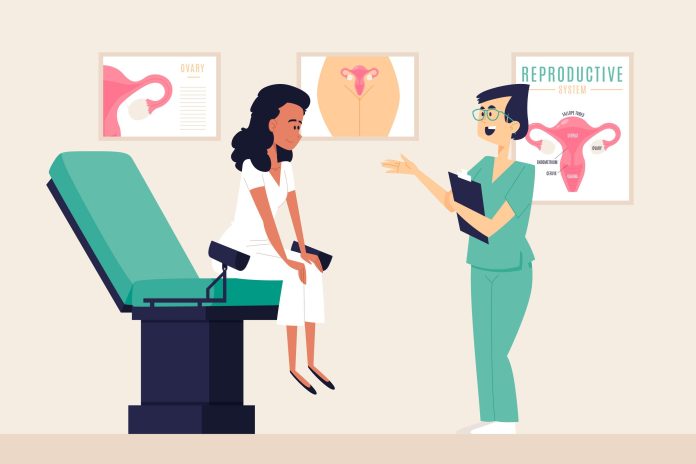
Searching for a Female Gyno Doctor usually comes from a very specific place. Not curiosity. Not routine. It’s often about comfort. Privacy. That feeling of wanting to explain something personal without your throat tightening up. A lot of women don’t openly say it, but they just feel safer talking to another woman when it comes to gynae issues. And honestly, that makes complete sense.
I remember a friend once saying she delayed her visit for months because she didn’t feel mentally ready to explain certain things to a male doctor. Nothing against male doctors, just a personal comfort thing. That hesitation is more common than people think.
Comfort is not a luxury, it’s part of treatment
People often treat comfort like a bonus feature. As if it’s optional. But in gynecology, comfort is core. If you’re tense, embarrassed, or holding back details, the doctor never gets the full picture. And incomplete information leads to incomplete care. Simple logic.
With a female doctor, many women feel they don’t need to over-explain. Things like period pain, hormonal mood swings, body changes. There’s this unspoken understanding that helps conversations flow more naturally. You’re not translating your experience, you’re just sharing it.
Privacy matters more than fancy setups
Let’s be honest. A clinic can be super modern, air-conditioned, with fancy chairs, and still feel emotionally cold. What women usually want is privacy. Not being rushed. Not having personal details discussed casually. Not feeling like the next patient is already being mentally prepared while you’re still talking.
A good female gyno understands how sensitive these conversations are. Whether it’s about irregular cycles, sexual health, fertility concerns, or body discomfort, the tone matters. A slight change in tone can decide whether a patient opens up or shuts down.
I’ve heard women say things like “I finally said everything I was holding back.” That’s not small. That’s the difference between guessing and actually treating the issue.
Why many women actively prefer female doctors
It’s not about skill. It’s about relatability. A female doctor has lived through hormonal changes, periods, mood swings, and body shifts herself. That lived experience adds another layer to medical knowledge.
Sometimes advice lands better when it feels realistic. Like when a doctor says, “I know this phase is exhausting,” and you actually believe them. That trust changes how patients follow treatment. They’re more consistent, more honest, more involved.
Also, let’s not ignore cultural factors. In many Indian households, women are raised to be private about their bodies. That conditioning doesn’t disappear overnight. Choosing a female doctor helps bridge that gap.
No judgment, no awkward pauses
This is a big one. Judgment doesn’t always come in harsh words. Sometimes it’s silence. Sometimes it’s a raised eyebrow. Sometimes it’s a rushed response.
A doctor who creates a judgment-free space allows patients to talk about things they’ve never said out loud before. Pain during intimacy, missed periods, anxiety around fertility, body image issues. These topics don’t come with rehearsed speeches.
When a doctor responds calmly, without surprise or dismissal, it signals safety. And once safety is established, real healing starts.
Modern gynae care is more than prescriptions
Women today deal with different problems than previous generations. Stress, irregular sleep, screen overload, delayed motherhood, hormonal disruptions. A good gyno doesn’t just prescribe medicine and move on.
They talk about lifestyle. Sleep. Diet. Mental health. Not in a preachy way, but in a practical way. Like, “Let’s start with small changes and see how your body responds.” That approach feels manageable, not overwhelming.
Female doctors often excel here because they understand these pressures personally. Balancing work, family expectations, health, and self-care isn’t theoretical for them.
Online conversations reflect real needs
If you scroll through women’s forums or comment sections under health-related posts, you’ll notice a pattern. Many women specifically ask for female doctors. Not because they assume better skills, but because they want ease.
Comments like “I didn’t feel awkward” or “I could ask anything” come up again and again. That says a lot about what patients value.
Trust builds when experiences are shared. And once a doctor earns that trust, word spreads quietly but steadily.
Consistency builds long-term trust
Women’s health isn’t a one-visit situation. Hormones fluctuate. Life changes. Bodies evolve. Having the same doctor over time helps track these changes properly.
A female gyno who remembers your history, your concerns, your past treatments, creates continuity. You don’t feel like you’re starting from zero every visit. That consistency reduces anxiety and builds confidence in the care process.
It’s okay to prioritize your comfort
There’s nothing wrong with choosing a doctor based on how safe you feel. Healthcare isn’t a test of toughness. It’s about healing.
If a female doctor helps you speak freely, ask questions without hesitation, and feel respected, that choice is valid. More than valid, it’s smart.
At the end of the day, the best doctor isn’t just medically capable. They’re emotionally aware. They respect boundaries. They explain things clearly. They don’t rush you out the door.