Flaming Gorge sits in a corner of the state that a lot of travelers overlook, tucked into the far northeast near the Uinta Mountains and a long way from the crowds that pack into Utah’s more famous parks. That remoteness is exactly what draws people back year after year, along with the red canyon walls, the sapphire-colored reservoir, and a river below the dam that anglers talk about for decades. Even during the busiest weekends of summer, it rarely feels crowded compared to the southern part of the state.
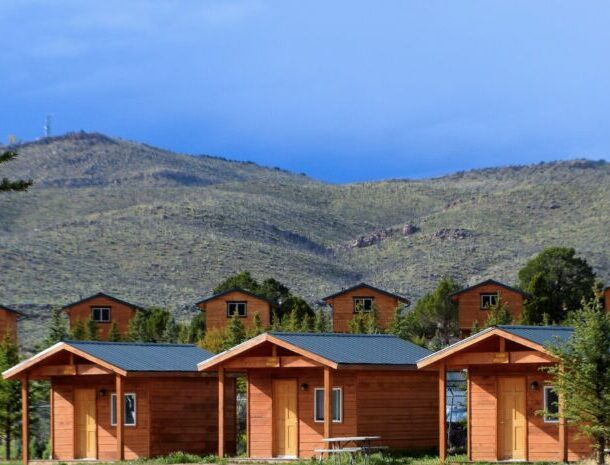
Anyone planning a longer stay tends to start looking at cabins Utah travelers have relied on for generations, since a private cabin gives a group room to spread out after a day on the water in a way a single hotel room never quite manages. It also puts guests within a short drive of the dam, the boat ramps, and the trailheads that make this area worth the trip in the first place.
The surrounding recreation area holds more than six hundred camping and picnic sites along with over a hundred miles of trails, so there is plenty to fill the days beyond fishing and rafting. Scenic drives wind through Sheep Creek Canyon and up into the high country of the Uintas, passing rock formations that geologists say represent nearly a billion years of exposed history. Two visitor centers along the main road offer maps and current trail conditions for anyone planning to explore beyond the areas closest to the water.
Wildlife watching is one of the quieter draws of the area, and it rewards anyone willing to slow down and look. Visitors regularly spot bighorn sheep along the canyon rims, mule deer and elk moving through the meadows at dawn and dusk, and eagles working the thermals above the reservoir on clear afternoons. This first time visitor guide does a solid job mapping out which trails and overlooks are worth prioritizing on a short trip.
Fall brings a different kind of appeal, with cooler air, thinner crowds, and aspen groves turning gold against the red rock. Winter, meanwhile, transforms the area into a quiet base for cross-country skiing and ice fishing, and travelers who come prepared for the cold often find it is the best time to have the scenery mostly to themselves. themselves. Snow on the canyon rims adds a striking contrast to the red rock that most summer visitors never get to see.
The drive alone is part of the draw for a lot of visitors, since the road north from Vernal climbs through pine forest and mountain passes before dropping into the gorge. Interpretive stops along the way explain the wildlife and geology that make the region distinct from the desert landscapes found in southern Utah.
For travelers mapping out the full route north from Vernal, including where the designated overlooks and interpretive sites sit along the highway, this scenic byway route guide lays out the drive mile by mile and makes a handy reference to keep in the glovebox.