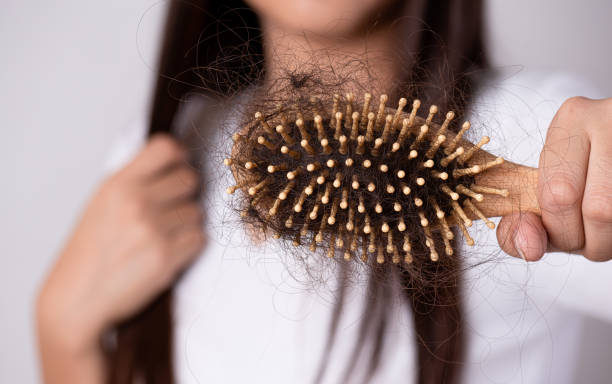
Hair fall usually doesn’t start dramatically. One day you just notice more strands on your pillow. A few extra hairs in the shower drain. Then suddenly, every time you run your fingers through your hair, something comes off with them. People around you say it’s normal. Stress, weather, water, genetics. And yeah, all of that plays a role. But sometimes it feels like something small is being missed, something quiet, something that doesn’t get talked about enough.
I went through a phase like this myself. Nothing extreme, but enough to make me check the mirror more often than I wanted. And the more I looked into it, the more I realized hair fall isn’t always about one big reason. It’s usually a bunch of small things piling up.
We underestimate everyday stress more than we should
Not the dramatic kind of stress. The daily background stress. Deadlines. Screens. Poor sleep. Overthinking. Always being “on”.
Your body doesn’t differentiate between big stress and constant low-level stress. To it, stress is stress. And hair growth is one of the first things the body deprioritizes when it feels under pressure.
You might feel like you’re handling life fine, but your hair might disagree.
Sleep is doing more damage than we realize
Most people don’t sleep badly enough to complain, but not well enough to recover either.
Late nights. Broken sleep. Scrolling before bed. Waking up tired but still functioning.
Hair grows and repairs when the body rests properly. Mess with sleep long enough, and hair starts paying the price quietly.
We focus on products and ignore nutrition
When hair fall starts, the first instinct is to change shampoo, oil, or serum.
Very few people look at what they’re actually eating.
Protein, iron, zinc, vitamin D, healthy fats. These aren’t optional for hair health. Missing even one consistently can weaken hair over time.
You don’t feel these deficiencies immediately. Hair fall is often the delayed reaction.
Crash diets and “clean eating” trends
This one is sneaky.
Skipping meals. Cutting entire food groups. Eating too little in the name of fitness.
The body sees this as survival mode. Hair becomes non-essential.
You might feel lighter or leaner, but your hair starts thinning silently.
Hormonal imbalances don’t always announce themselves
Hormones affect hair deeply.
But imbalances don’t always come with obvious symptoms. Sometimes it’s just fatigue, mood changes, or irregular cycles that get brushed off as normal.
Hair often reacts before anything else feels “wrong”.
Overwashing and overworrying
Washing hair too often, switching products constantly, aggressive scrubbing, excessive heat styling.
All done with good intentions.
But hair needs gentle consistency, not constant experimentation.
And the more you worry, the more you touch, check, pull, and stress the scalp further.
Scalp health is ignored
People care about hair length and shine, but forget the scalp.
Build-up, poor circulation, dryness, inflammation. None of this shows up immediately.
But a neglected scalp doesn’t support healthy hair growth long-term.
Emotional health quietly affects hair
Hair fall often increases during emotionally draining phases.
Loss. Burnout. Anxiety. Feeling stuck.
You might think you’ve moved on mentally, but the body remembers.
Hair reacts slowly, but honestly.
Why hair fall feels confusing
Because it rarely has one clear cause.
It’s not just water quality or genetics or products.
It’s sleep, food, stress, hormones, habits, and emotional load all mixing together quietly.
What we’re really missing
Consistency.
Consistent sleep. Consistent meals. Gentle routines. Managing stress instead of ignoring it.
Hair doesn’t respond to panic or quick fixes. It responds to steady care over time.
And sometimes, the solution isn’t another product. It’s paying attention to what your body has been quietly asking for all along.