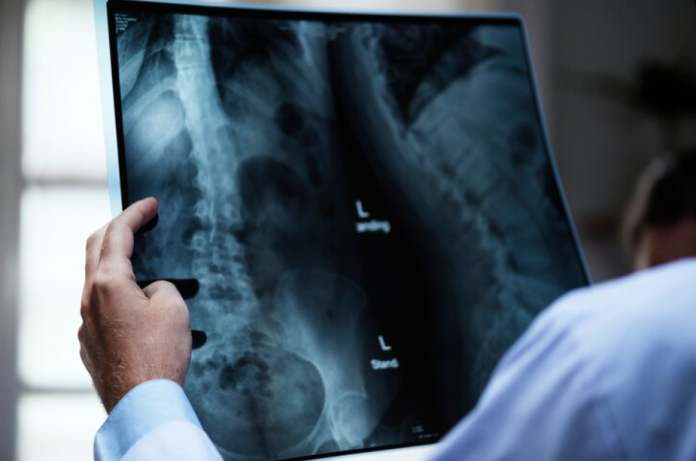
Spinal disorders can make daily life difficult by causing pain, stiffness, and limited movement. Many people struggle with simple activities like walking, sitting, or bending. Traditional spine treatments sometimes reduce pain but also limit natural movement. This is where motion preservation surgery offers a modern and effective solution. It focuses on treating spinal problems while keeping the spine as flexible and natural as possible. As a result, patients often experience better mobility, less discomfort, and an improved overall quality of life.
Understanding Motion Preservation Surgery
Motion preservation surgery is a type of spinal procedure designed to treat damaged or painful parts of the spine without fully restricting movement. Unlike spinal fusion, which permanently joins bones together, this approach aims to maintain normal motion in the spine. It may involve replacing a damaged disc with an artificial one or using advanced techniques that support the spine while allowing flexibility.
The main goal of motion preservation surgery is to relieve pressure on nerves, reduce pain, and keep the spine functioning in a natural way. This balance between treatment and movement makes it an important option for many patients with spinal conditions.
How It Improves Quality of Life
One of the biggest benefits of motion preservation surgery is pain relief combined with improved mobility. People with spinal disorders often feel constant discomfort that limits their independence. After surgery, many patients notice a significant reduction in pain, which allows them to return to daily activities more comfortably.
Another important advantage is the preservation of movement. Since the spine remains flexible, patients can bend, twist, and move more naturally compared to traditional fusion surgery. This helps them maintain an active lifestyle, which is important for both physical and mental well-being.
Motion preservation surgery also reduces stress on nearby parts of the spine. In fusion procedures, other spinal areas may take on extra pressure, leading to future problems. By keeping the spine moving normally, this risk is lowered, which supports long-term spinal health.
Who Can Benefit from the Procedure
Not every patient is a candidate for motion preservation surgery, but it can be highly effective for people with specific spinal conditions. These may include damaged spinal discs, mild to moderate degeneration, or nerve compression that causes pain and weakness.
Doctors usually recommend this procedure for patients who are active and want to maintain flexibility in their spine. A detailed medical evaluation is necessary to determine whether motion preservation surgery is the right choice for an individual.
Recovery and Expectations
Recovery after motion preservation surgery varies from person to person, but it is often faster compared to more invasive spinal procedures. Patients may begin moving gently within a short period, depending on their doctor’s advice. Physical therapy is usually an important part of recovery, helping the body regain strength and stability.
While results can be highly positive, it is important to have realistic expectations. The surgery is designed to improve function and reduce pain, but full recovery takes time and proper care. Following medical guidance closely plays a key role in achieving the best outcome.
Conclusion
Motion preservation surgery offers a modern approach to treating spinal disorders while maintaining natural movement. It not only helps reduce pain but also supports flexibility, independence, and long-term spinal health. For many patients, this procedure can be a life-changing option that improves comfort and restores the ability to enjoy everyday activities with greater ease.