Women’s health is not only about treating illnesses when they appear but also about preventing problems before they start. One important but often overlooked area is pelvic care, which plays a key role in long-term comfort, strength, and overall well-being. Good attention to this area helps women maintain control over their body functions, avoid discomfort, and support reproductive and urinary health throughout life. When people understand the importance of female pelvic health, they are more likely to take early steps that protect their future wellness. Preventive care in this area is simple but highly effective when practiced consistently.
Understanding Female Pelvic Health Care
Female pelvic health care refers to the care of muscles, tissues, and organs located in the lower abdomen and pelvic region. This includes the bladder, uterus, bowel, and surrounding muscles that support these organs. Strong and healthy pelvic muscles help with bladder control, stability, and reproductive function. When female pelvic health is maintained properly, it reduces the risk of common issues such as weakness, discomfort, or pressure in the lower body. Understanding this system helps women become more aware of their body and take better care of it through daily habits and medical guidance.
Why Preventive Care Matters
Preventive care is important because many pelvic conditions develop slowly and may not show clear symptoms in the beginning. By focusing on prevention, women can reduce the chances of long-term complications. Regular attention to female pelvic health can help detect early signs of imbalance or weakness before they become serious. This approach also improves quality of life by supporting physical comfort and emotional confidence. Preventive care encourages healthier choices such as proper posture, physical activity, and timely medical consultations, all of which protect pelvic strength over time.
Common Conditions Prevented or Managed
Good pelvic care can help reduce the risk of several common health issues. These may include urinary incontinence, pelvic organ prolapse, and chronic pelvic pain. Many of these conditions are linked to weakened muscles or aging, but they can also occur after childbirth or due to lifestyle factors. By focusing on female pelvic health early, women can better manage these risks and maintain stronger support for internal organs. Early care also helps in faster recovery if any issue does develop, making treatment simpler and more effective.
How Lifestyle Supports Pelvic Wellness
Daily lifestyle habits play a major role in maintaining pelvic strength. Regular physical activity, especially exercises that strengthen core muscles, can improve support in the pelvic area. Healthy body weight also reduces unnecessary pressure on internal organs. Proper hydration and a balanced diet help maintain bladder and bowel function, which is closely connected to female pelvic health. Avoiding long periods of inactivity and maintaining good posture while sitting or standing can also make a noticeable difference in long-term comfort and strength.
The Role of Regular Checkups
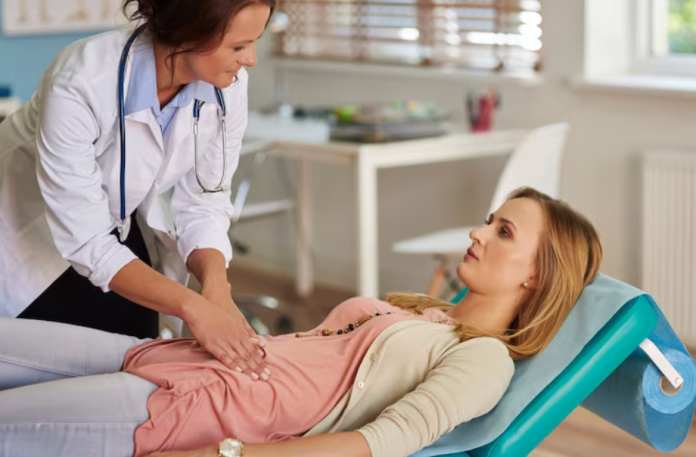
Routine medical checkups are an important part of preventive pelvic care. Healthcare professionals can assess pelvic strength, identify early signs of weakness, and suggest appropriate exercises or treatments. These visits also provide an opportunity to discuss any discomfort or changes that may seem minor but could indicate underlying issues. Regular monitoring ensures that female pelvic health remains stable and that any problems are addressed early, reducing the need for complex treatments later.
Conclusion
Female pelvic health care is a vital part of preventive women’s wellness that supports long-term comfort, strength, and confidence. By understanding how the pelvic system works and taking early preventive steps, women can protect themselves from many common health concerns. Healthy lifestyle choices, regular exercise, and timely medical checkups all contribute to better pelvic function. When attention is given early, it becomes easier to maintain balance and avoid complications, leading to a healthier and more active life.