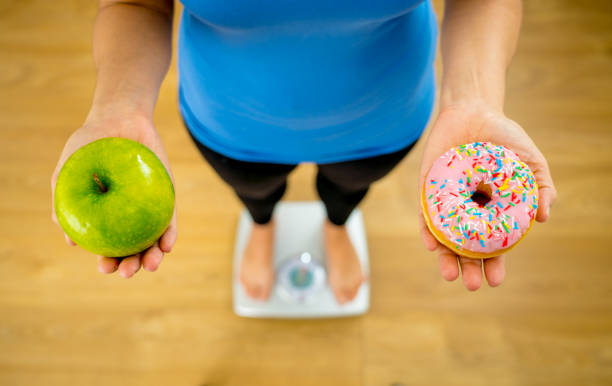
Calories get all the attention. Count them, cut them, track them, fear them. Most weight-loss advice eventually circles back to the same line: calories in versus calories out. And yes, calories matter. But if they were the only thing controlling weight loss, a lot more people would be successful by now.
Real life weight loss is messier, slower, and far more human than a numbers game.
Hormones quietly run the show
Hormones decide how your body uses calories.
Insulin, cortisol, thyroid hormones, leptin, ghrelin. They influence hunger, fat storage, energy levels, and cravings.
Two people can eat the same number of calories and have very different outcomes because their hormonal responses are different.
Stress, poor sleep, irregular meals, and crash dieting throw these hormones off balance. When that happens, weight loss becomes an uphill battle no matter how “perfect” the calorie count looks.
Sleep matters more than people want to admit
Sleep affects hunger hormones directly.
When you don’t sleep enough, hunger increases and fullness decreases. Cravings rise, especially for sugar and quick carbs.
You can plan your meals perfectly, but bad sleep will quietly sabotage your efforts.
Weight loss without sleep support rarely lasts.
Stress keeps the body in storage mode
Chronic stress raises cortisol.
High cortisol tells the body to hold on to energy, especially around the abdomen. It also increases emotional eating and reduces motivation to move.
You might be eating less, but stress convinces the body it’s not safe to let go of weight.
Calorie deficits don’t override survival signals.
Food quality affects appetite control
Calories from different foods affect the body differently.
Protein increases fullness. Fiber slows digestion. Processed foods spike hunger quickly.
If you’re constantly hungry on a calorie deficit, it’s not a willpower issue. It’s usually a food composition issue.
Feeling satisfied matters for sustainability.
Muscle changes everything
Muscle isn’t just for appearance.
More muscle improves insulin sensitivity and increases resting energy use. It also changes how your body handles food.
Weight loss plans that ignore strength training often stall or reverse over time.
Consistency beats perfection
Doing the “right” thing occasionally doesn’t change much.
Doing decent things consistently does.
Weight loss happens in patterns, not moments.
Skipping workouts, bingeing on weekends, restarting every Monday. That cycle keeps weight stable even when effort feels high.
Your relationship with food matters
Restriction increases obsession.
The more food feels forbidden, the more power it gains.
Sustainable weight loss comes from neutralizing food, not fearing it.
When eating feels normal, control improves naturally.
Digestion and gut health play a role
Poor digestion affects nutrient absorption, inflammation, and appetite regulation.
Bloating, irregular digestion, and food sensitivities can interfere with progress.
A healthy gut supports weight regulation quietly.
Movement outside workouts matters
Daily movement adds up.
Walking, standing, stretching, doing chores.
People who move more naturally throughout the day often lose weight more easily than those relying only on intense workouts.
Why calories alone don’t tell the whole story
Because the body isn’t a calculator.
It’s adaptive. Emotional. Protective.
Calories matter, but context decides how the body uses them.
What really controls weight loss
Hormones, sleep, stress, food quality, muscle, consistency, digestion, and mental relationship with food.
Weight loss isn’t about eating as little as possible.
It’s about creating conditions where the body feels safe enough to let go.
And once that happens, calories finally start working with you instead of against you.